We all want our pets to enjoy a full and healthy life as they share our family space, and yet we know from the statistics that so many cats and dogs are less than 100% in terms of good health and vitality, particularly when it comes to weight control.
So is there anything you can do to help? We've put together a few suggestions below which you might find helpful with regard to feeding, exercise and simply understanding your pet's needs!
Feeding correctly is crucial for a healthy pet. It is a fact that the majority of pet owners overfeed, and that's one reason why we have so many overweight and plainly obese dogs and cats. We like to eats lots, and we assume (incorrectly) that our pets need lots of food.
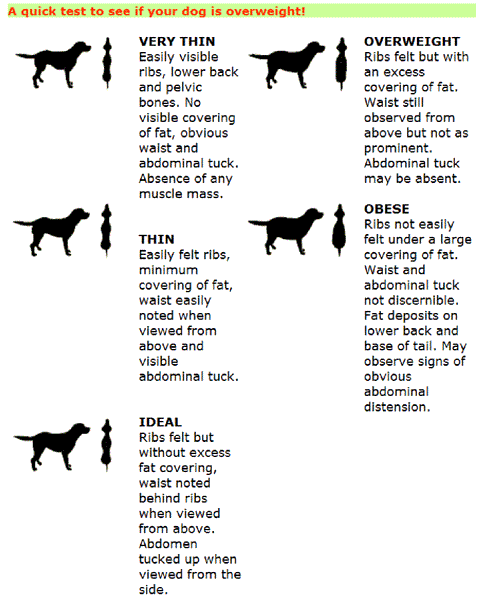
Overfeeding leads to unhealthy pets - it's as simple as that.
Feeding a poor quality diet also leads to unhealthy pets.
Most commercial pet foods call themselves 'Complete' and even a cheap complete food will enssure that your pet gets the basic minimum nutrition required. However, some pets exhibit intolerance to ingredients, particularly things like wheat or soya used in cheaper brands - symptoms such as itching, scratching, digestive upsets, behavioural problems etc. If in doubt then ask your veterinary surgeon for advice, but at the very least look at what you are feeding and think about maybe upgrading to a food that names its ingredients as single cereals and a single source of meat.
Puppies and Kittens need food appropriate to their age, as do pregnant and lactating bitches. Some pet food companies produce food for juniors and seniors - the jury is out on whether these are necessary or simply marketing devices, ditto breed specific diets.
If you're going to feed lots of treats then at least make them healthy ones, and take them into consideration when looking at the total fed during a day.
Weigh the food out correctly - if you don't have a measuring cup from your pet shop then ask the manufacturer for one!
If your pet is at all overweight then the chances are that it's you that's not getting enough exercise!
Exercise is important, both for the health of your pet (dog particularly) and also for your health. What greater way to get the exercise you need by taking the dog for a run in the park or beach! Just because you’re feeding and watering your dog doesn’t mean that he’s healthy. Dogs of all breeds and sizes require daily outdoor activity, exercise, and fresh air, or their quality of life essentially suffers, contributing to lethargy, poor health, poor appetite, weight gain, lean muscle loss, or even disease. Even “indoor” dogs aren’t meant to be cooped up indoors all day long.
Dogs particularly need mental stimulation, particularly if they are working dog breeds. Retrievers need to retrieve, even if it's only a ball; Spaniels love hunting in the bushes and countryside - you've only got to see their tails wagging to know they are happy!
Encourage mental stimulation. It is never too late to teach old dogs new tricks.
Your dog or cat is in many ways like us - when young they want to play all the time, they're inquisitive and often mischevious. As they grow older and more mature then their needs and desires change, and it's important that we recognise this fact and adjust our relationship accordingly.
A puppy or kitten needs a lot of mental stimulation - that is you need to set aside time to play with them, and introduce basic training where appropriate and as soon as possible. Their nutritional needs are also different to that of an adult and you need to feed the apppropriate diet for their lifestage.
Older dogs don't need as much nutrition or vigorous exercise than younger dogs. According to Dr. J Hoskins in Geriatrics and Gerontology of the Dog and Cat, small breed dogs (less than 20 pounds) are in their senior years around nine to 13 years of age. Medium sized dogs (21 to 50 pounds) around nine to 11.5 years; large breed dogs (51 to 90 pounds) around 7.5 to 10.5 years and giant dogs (more than 90 pounds) between six and nine years. In general, smaller breed dogs live longer.
An older pet should pay the occasional visit to the Veterinary Surgeon for a health check. Exams should include a history and physical examination with evaluation of the teeth, listening to the heart and lungs (by stethoscope), abdominal palpation (feeling of the abdomen) and inspection of your dog's ear and eyes. Weight monitoring, blood checks and urine tests are also often recommended. Other tests may be indicated depending on your pet's symptoms.
You can do regular health checks on your pets at home. Things to watch for include changes in water consumption or patterns of urination, poor appetite, weight loss or gain, coughing or difficulty breathing, changes in activity level, vomiting, diarrhea and skin lumps or masses. If you have questions or concerns about your pet, play it safe and have him or her evaluated by your veterinary surgeon. Early diagnosis is vital to the success of treatment.
As a pet gets older then there's more chance of them becoming overweight, particularly if you are feeding inappropriately. Obesity may lead to a number of health problems. Excess weight puts excess stress on your pet's heart. When the heart doesn't function properly, other organs may suffer including the brain, lungs, liver and kidneys. Over time, these problems may become severe enough to cause life-threatening conditions.
There are social reasons for neutering a dog or cat if it is not going to be used for breeding, as our streets are full of unwanted 'accidents' due to wandering dogs and bitches on heat bumping into each other! But having a dog neutered can also help with some behavioural and potential health problems.
Neutering can make for a better and more affectionate family pet. Spaying and castration can prolong the life of our pets and may reduce the number of health problems in later life. Females can benefit from spaying by reducing the incidence of uterine, mammary, and ovarian cancers. It can also reduce the incidence of uterine infections such as Pyometra.
Castrating a male reduces the risk of prostate and testicular cancer. They are less likely to develop unwanted behaviour's such as marking, sexual aggression, and mounting. In addition, the desire to “wander” is diminished, which lowers the chance of your dog running away and suffering trauma, such as being hit by a car.
There are mixed feelings in the Veterinary world about the benefits of vaccinating annually, other than as a puppy or kitten, which is essential (see this report on the BBC website and on the 'anti vaccination side' these comments). Vaccination is about stimulating a pet's immune system to protect it against infectious organisms that can cause death in many cases (parvovirus) or are highly infectious, causing widespread disease when outbreaks occur (cat flu) and needs informed and scientific opinion. If in doubt talk to your veterinary surgeon. If you're not happy with his response ask another!
On the subject of vaccination Veterinary Surgeon John Burns of Burns Pet Nutrition says
'My policy is that a puppy/kitten should be vaccinated by conventional methods in the usual way. Distemper, parvovirus and leptospirosis are too dangerous to be treated lightly and I do not have sufficient confidence in Homeopathic vaccination......
'In the USA and in the UK some veterinary practitioners now recommend distemper vaccination every three years with an annual parvovirus and leptospirosis booster. Many years ago I stopped recommending annual booster vaccinations. I believe they are unnecessary and may be harmful in that they may over-stimulate the immune system.
This is only my opinion, which I am unable to back with solid evidence but I am sure many dogs with skin disease suffer flare-ups after being given boosters. Also, I do not recall a single case where a dog which was vaccinated as a puppy but had no boosters ever caught distemper or parvovirus.'