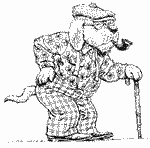
First of all we'd better define what we mean by a senior dog. We humans tend to think of ourselves as Senior Citizens when we get to the age of 60-65 years, even though the joints may start creaking a few years before this!
The 'one human year equals seven dog years' rule is an easy way to calculate and relate to your dog's age, but doesn't necessarily apply to all breeds. Large breed dogs (i.e. Great Danes) are considered a senior at 6 or 7 years of age, whereas small breeds (i.e. toy poodle), aren't considered a senior citizen until they reach into the teens of years.
Basically, if your dog is 7 years or older, you ought to be considering him or her to be at least middle aged if not senior and therefore need to consider how best to care and feed them. This is because, like humans, requirements for exercise and nutrition change with age, and there may be a case for including a food with added 'extras' for joint care.
A senior diet is designed to:
- Help support the joints
- Have a higher fibre content in order to help “keep things moving”
- Reduced energy content in order to help prevent weight gain in those golden years
A Senior or Light Diet can also be used to….
- Help those pets who have a decreased activity level
- Help those pets who require a reduced calorific diet in order to help promote weight loss or help prevent further weight gain.
- Provide all of the essential and carefully balanced nutrition they require to support everyday health and well-being.
We have a range of senior/Light diets for your dog within our range. They have been developed by nutritionists to ensure that your dog gets all the nutrition that they need without needing to use additional supplements.
Check out what's on offer by clicking this link